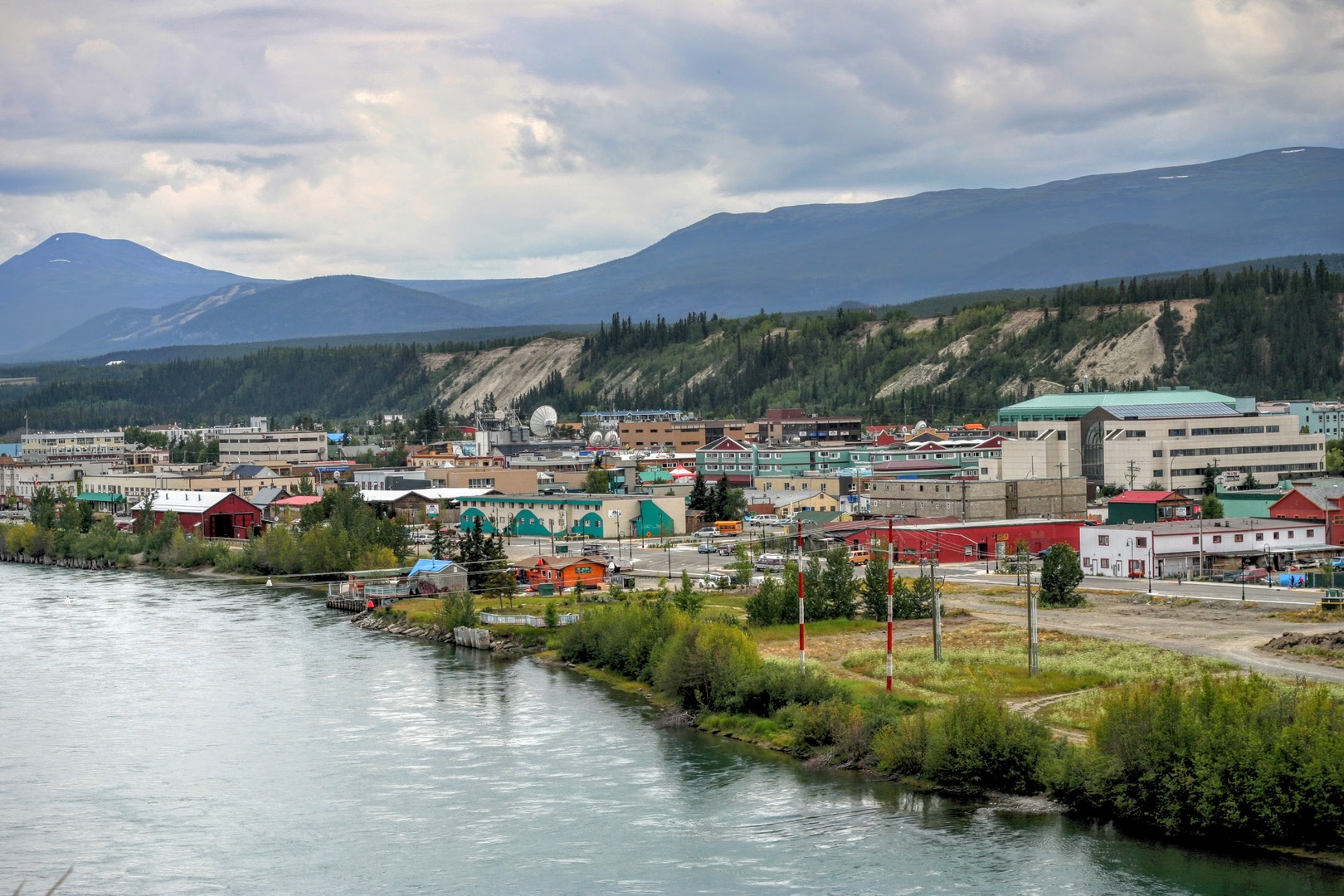

A specially designed program for those wishing to work in rural communities in Canada. These communities have significant economic potential, where employers offer more jobs than there are local workers. This program replaced the Rural and Northern Immigration Pilot (RNIP), which ended in August 2024.
What is the Rural Community Immigration Pilot (RCIP)?
The Rural Community Immigration Pilot (RCIP) opened in January 2025 and will last for the next 5 years. Therefore, everyone interested has time to plan their move to Canada through this immigration pathway, having met the requirements of the program. The RCIP program does not require a long wait for selection. A job offer from an employer, as well as meeting the eligibility criteria, pave the way for a quick move and permanent residence.
Who can become a participant of RCIP?
- Work experience: a must have is a full 1 year of experience in the priority occupation in the last 3 years.
- English language: must be confirmed by a CELPIP or IELTS or PTE Core certificate. The level of language proficiency depends on the profession and corresponds to the Canadian CLB standard. For highly skilled specialties – 6 points, for medium skilled specialties – 5 points, for entry-level positions – 4 points. The highest possible score under this system is 12, which means that it is enough to show a lower intermediate level of English for immigration. Instead of English, it is also possible to confirm knowledge of French with a proper test at the same level of language proficiency.
- Education level: must correspond to a high school diploma confirmed by a Canadian evaluation.
- Job offer: must be from a designated local employer.
- Funds to support immigration: depends on the number of family members.
- Intention to reside: a genuine desire to live in a community that will provide support in immigration to Canada through the RCIP.
- Certificate of recommendation: issued as a confirmation for applying for permanent residence.
Each community participating in the Rural Immigration Canada pilot program independently determines the priority occupations for immigration for itself. Each community also selects employers who will be able to provide support for their employees to obtain permanent residence.
What are the benefits of RCIP for Ukrainians?
The immigration program for Ukrainians RCIP offers an exceptional opportunity. Anyone with the appropriate work experience, English language skills and education can already apply for permanent residence in Canada after receiving a job offer and supporting documents. However, those who are only considering participating in this program have a few more years to use the simplified opportunity to obtain a Canadian permanent residence card.
Every year, several thousand new immigrants will receive permanent residence under the simplified procedure in the shortest possible time. Supporting employees under the pilot programs is always a priority for both employers and communities participating in the pilot projects.
Which cities in Canada participate in the Rural Community Immigration Pilot program?
There are 14 communities in 6 provinces participating in the Rural Community Immigration Pilot:
- Alberta – Claresholm;
- British Columbia – North Okanagan Shuswap, Peace Liard, West Kootenay;
- Manitoba – Altona/Rhineland, Brandon;
- Nova Scotia – Pictou County;
- Ontario – North Bay, Sault Ste. Marie, Sudbury, Thunder Bay, Timmins;
- Saskatchewan – Moose Jaw.
What professions are eligible for the program?
Each community determines the priority spheres of employment and professions for which invitations to apply for a permanent residence permit will be issued. Every year, the spheres and professions are updated and may change. Among the occupations in demand for immigration to Canada through the Rural Community Immigration Pilot are:
- Construction: carpenters, electricians, heating and air conditioning mechanics, plumbers, roofers, drywallers.
- Automotive repair: auto mechanics, auto body repairers.
- Manufacturing: printing operators, woodworking operators, heavy machinery operators, factory workers.
- Medicine: pharmacists, nurses, dental assistants.
- Childcare: kindergarten teachers and assistants.
- Office workers: accountants, administrative assistants, HR-specialists, bank employees.
- IT specialists: developers, database analysts, cybersecurity specialists.
- Service sector: cooks, restaurant managers, hotel receptionists.
- Transportation workers: truck drivers.
This is not an exhaustive list. There are many more specialties under the RCIP, which allows everyone to immigrate to Canada using this pathway.
How to immigrate to Canada through RCIP?
Being ready to take part in the Rural and Northern Immigration Pilot of Canada makes it possible to seize a unique opportunity. To do so, one need to:
- Check eligibility for the program by receiving a step-by-step immigration plan.
- Quickly pass the English language test IELTS or CELPIP or PTE Core and make an education assessment.
- Send resume to designated employers in the communities participating in the pilot.
- Receive a job offer and supporting documents for immigration.
- Apply for a visa to Canada for yourself and your family members.
- Move to Canada, work and get PR in a short time.
Why should you contact MV Group?
The MV Group team has more than 16 years of success in immigration cases of Ukrainians and citizens of other countries. By contacting our specialists, you will receive full support for your relocation to Canada.
If necessary, Language Academy instructors are ready to prepare quickly for the required test.
A licensed immigration consultant will provide a clear plan of action for immigration to Canada, and will support issues related to documents and obtaining permanent residence.
Immigration to rural areas of Canada is a great opportunity to quickly relocate with the whole family, have a successful start in the country, and not worry about high housing and living costs. Small communities are a great option for supporting newcomers with integration into the local society. It is these places where everyone knows each other that give cohesion and confidence about the future.
Immigration programs
-
Agri-Food Program
The Agri-Food Immigration Pilot program aims to address labor shortages in agricultural industries.
-
Provincial Nominee Programs
Provincial immigration programs to Canada allow Canadian provinces to attract immigrants, which benefits the local economy.
-
Business Immigration
The federal government offers a number of immigration programs for people who plan to be self-employed or start a business in Canada.
-
Express Entry
One of the latest innovations of the Canadian Immigration Service is the electronic system for selecting candidates for immigration.
-
Family Sponsorship
If you have a relative who is a permanent resident or citizen of Canada – family sponsorship is the best way for you to immigrate to Canada.
-
Humanitarian and Compassionate
Anyone who can show economic stability in Canada can apply for this immigration program.
-
Quebec Skilled Worker
Candidates are awarded points based on age, education level, work experience and language skills.
-
Atlantic Immigration Program
Atlantic immigration applications are accepted from New Brunswick, Nova Scotia, Newfoundland and Labrador and Prince Edward Island.
-
Public Policy Pathway to Permanent Residence
This is a temporary immigration program for Ukrainians who have relatives in Canada and can sponsor them.